


There are some weeks that feel dominated by domestic politics.
Others are shaped by economics or sport.
The week ahead is different.
Almost every major story has an international dimension.
From NATO leaders gathering in Turkey and discussions on artificial intelligence in Geneva, to the closing stages of Wimbledon and the FIFA World Cup, the coming days highlight just how connected today’s world has become.
For Spain, the focus remains firmly on football and the continued success of the summer tourism season. For Europe, security and economic cooperation remain high on the agenda, while globally, diplomacy continues against a backdrop of uncertainty in the Middle East.
It is a week where borders matter less than connections.
Spain Enjoys the Height of Summer
Spain enters another busy week as one of Europe’s most popular destinations.
Across the Costa Blanca, Costa del Sol, the Balearic Islands and the Canary Islands, hotels, restaurants and beaches continue welcoming visitors from around the world.
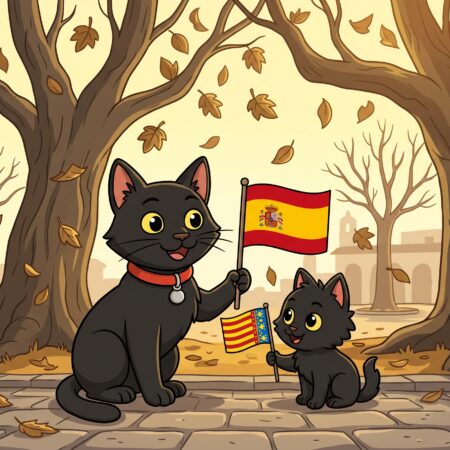
The World Cup remains a major talking point, with Spain facing Portugal in one of the tournament’s standout Round of 16 fixtures. Should Spain progress, attention will quickly turn to a potential quarter-final appearance later in the week.
For many visitors, football has become part of the holiday experience, with bars, restaurants and public viewing areas expected to attract large crowds.
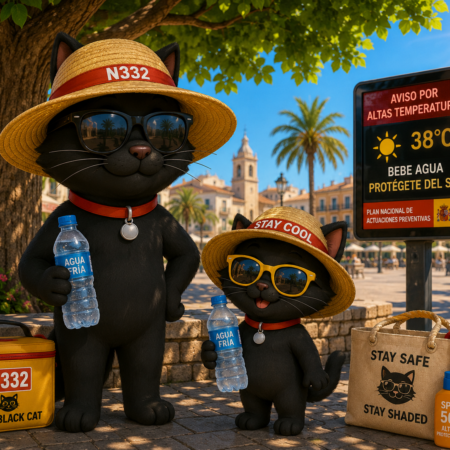
Combined with warm weather and long summer evenings, the atmosphere across much of Spain is expected to remain lively throughout the week.
Aviation and Travel
July is traditionally one of the busiest travel periods of the year, and Spain’s airports are reflecting that reality.
Alicante, Málaga, Barcelona, Madrid, Palma and Tenerife continue handling exceptionally high passenger numbers as the summer holiday season gathers pace.
Flights linking Spain with the United Kingdom remain among Europe’s busiest leisure routes, while strong demand continues from Germany, France, the Netherlands and Scandinavia.
Travellers should continue allowing additional time for airport security, check-in and onward journeys, particularly at weekends.
Road traffic is also increasing on routes serving coastal destinations, while Spain’s high-speed rail network continues providing an attractive option for domestic travel.
Overall, the transport picture remains positive, although demand is now approaching seasonal peak levels.
The United Kingdom Looks Beyond Westminster
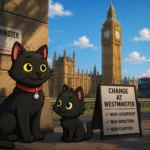
Politics remains important in Britain, but this week the focus stretches beyond Westminster.
The Labour leadership contest formally begins, ensuring renewed debate about the party’s future direction.
Prince Harry and Meghan return to the United Kingdom, bringing significant international media attention.
Economic issues remain equally important.
The Office for Budget Responsibility publishes its latest assessment of Britain’s long-term fiscal outlook, while the Bank of England releases its Financial Stability Report, offering further insight into the challenges facing the UK economy.
Meanwhile, Wimbledon reaches its closing stages, ensuring the sporting spotlight remains firmly on London throughout the week.
Europe Strengthens Cooperation
Europe’s leaders continue balancing security, economic resilience and international cooperation.
NATO gathers in Turkey for one of the alliance’s most important meetings of the year, with defence, deterrence and long-term security expected to dominate discussions.
Rachel Reeves travels to Brussels for talks with European financial leaders, reflecting the continuing importance of cooperation between the United Kingdom and the European Union.
Meanwhile, Geneva hosts international discussions on artificial intelligence governance, highlighting the growing recognition that many of tomorrow’s biggest challenges cannot be solved by individual countries acting alone.
The World Watches
International attention remains focused on developments surrounding Iran following the death of Ayatollah Ali Khamenei.
Funeral ceremonies continue throughout the week, while diplomatic efforts seek to reduce tensions across the wider region.
Economic organisations also publish a series of influential reports covering employment, investment, sustainable development and energy markets, providing policymakers with valuable insight into the state of the global economy.
Together, these reports help governments prepare for challenges that increasingly cross national boundaries.
Sport Brings the World Together
The World Cup and Wimbledon dominate the international sporting calendar.
The knockout stages of football’s biggest tournament continue throughout the week, while Wimbledon reaches both the women’s and men’s finals.
Elsewhere, international cricket, Formula One preparations and summer sporting events continue attracting audiences across the globe.
Sport remains one of the few experiences capable of bringing together billions of people regardless of nationality, language or politics.
That shared experience feels particularly valuable during periods of international uncertainty.
The Bigger Picture
Perhaps the defining characteristic of this week is not any individual event.
It is the sheer number of occasions where countries come together.
Sometimes to compete.
Sometimes to negotiate.
Sometimes simply to celebrate.
Whether through sport, diplomacy, travel, trade or technology, the modern world is becoming increasingly interconnected.
The week ahead serves as another reminder that events taking place thousands of kilometres away can quickly become part of everyday conversations here in Spain.
In many ways, that is the real story of the week.
The world is becoming smaller, even as the challenges it faces continue to grow.